Appointments can be booked 24/7 - Book an appointment





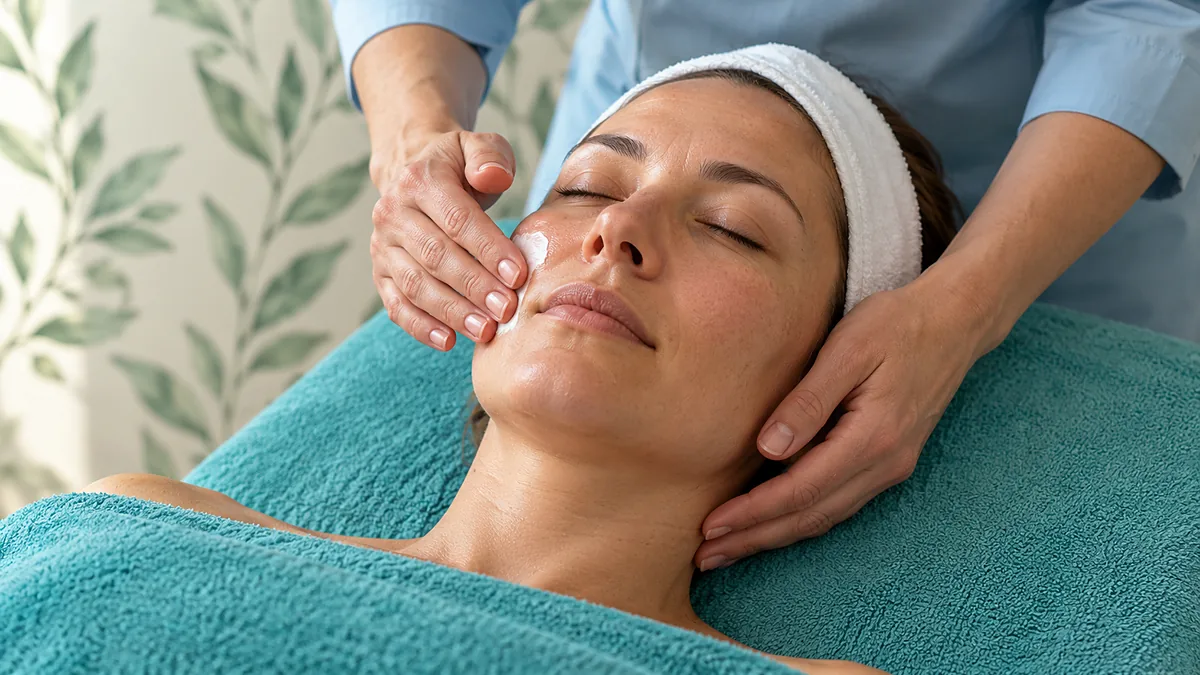
It starts every year in November: the skin feels tight after washing, the cheeks turn rough, the area around the nose flakes, and make-up does not last as well. Dry skin in winter affects almost every woman, even those whose skin is completely uncomplicated in summer. The reason is less the cold outside than the constant change between cold air and dry heating air.
In this post we explain what happens in the skin, what you can change at home and which facial treatment makes sense in the cold season. Faircare by Inna is a beauty and massage studio for women only in Berlin-Prenzlauer Berg; our facial treatments are cosmetic, not medical.

- 1 hr
Basic Facial Cleansing
The classic facial cleansing with a clarifying mask and a gentle stroking massage. Many clients describe their skin as clearer and fresher afterwards.
Why facial skin gets dry in winter
The skin protects itself with a fine film of oil and moisture. In the cold, the sebaceous glands produce less oil, and dry heating air pulls moisture out of the top layer of skin. The protective layer thins, the skin loses more water than it can replace – and lets you know with tightness, redness and fine flakes. Hot water, wool scarves and long showers make it worse.
On top of that, the skin works more slowly in winter. Dead cells stay on the surface longer, the complexion looks dull, skincare products absorb less well. That is exactly why winter is the time when a professional cleanse or a gentle peel makes a particularly big difference.
Winter skincare: six things that help at home
- Lukewarm instead of hot. Cleanse the face with lukewarm water, not under a hot shower. Hot water strips the protective film.
- Mild cleansing. Swap foaming products for a mild cleansing milk or oil. If the skin feels tight after washing, the product was too strong.
- Richer care. Replace the light summer cream with a richer one, and add a few drops of facial oil on top in the evening.
- Moisture from inside. Drink enough and, if possible, raise the humidity in the bedroom – a bowl of water on the radiator is often enough.
- Exfoliate gently, do not scrub. Once a week a mild enzyme or fruit-acid peel, no coarse grains. Skincare absorbs better afterwards.
- Sun protection stays. In winter too, especially in snow and in the mountains.
Which facial treatment fits in winter
A professional treatment does not replace daily care, but it resets it: the skin is cleansed thoroughly, dead cells are removed, moisture reaches deeper. Which treatment fits depends on what your skin needs right now:
| Your skin in winter | What often fits |
|---|---|
| Tight, flaky, looks dull | Facial Cleansing Basic – the classic deep cleanse that makes the skin receptive again |
| Dry and blemished at the same time | Enzyme peeling – loosens gently without irritating |
| Pale, tired, needs moisture | CO₂ moisture facial – for a fresh complexion before an occasion |
| Simply wants an hour of calm for the face | Happy Facial – with a long relaxing massage |
In winter, leave about four weeks between two treatments. If you want your skin in shape for the holidays, plan the treatment a week before the occasion – then the skin has settled and looks its best. Durations and prices are on our price list.
Facial massage: circulation instead of product
Not every winter pallor is a moisture problem. Often the skin is simply less well supplied with blood because we move less and tense the facial muscles against the cold. A facial massage brings colour back without a single product – and is a lovely addition to any skincare treatment.
When you should see a dermatologist
Dry winter skin is uncomfortable but harmless. However, if the skin cracks, weeps, itches severely, becomes inflamed, or if red, flaky patches form that do not go away, that is a case for a dermatologist, not the beauty studio. If you have eczema or rosacea, please talk to us first about what makes sense.

- 45 min
Enzyme Peeling Facial Treatment
In an enzyme peeling, fruit enzymes loosen dead skin flakes – with no scrubbing at all. Many clients find their skin feels smoother and fresher afterwards.
Conclusion
Dry skin in winter comes from heating air, cold and water that is too hot – and can be handled well with mild cleansing, richer care and a little humidity. A facial treatment every four weeks gives the skin the restart it cannot manage on its own. And if you are unsure what your skin needs: Inna takes a look before every treatment.