Appointments can be booked 24/7 - Book an appointment




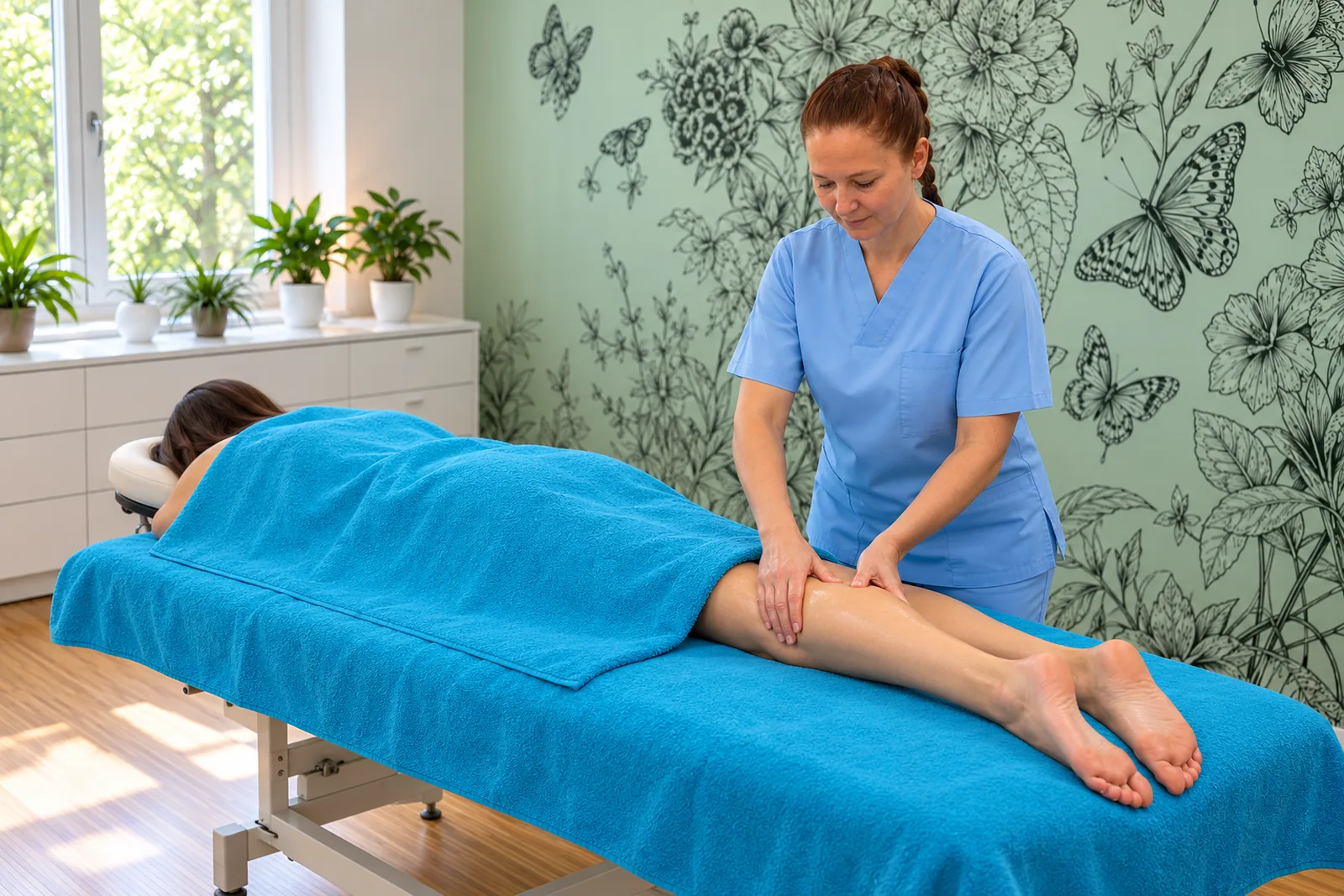
In a world full of hustle and constant stimulation, massages are becoming ever more valuable – and the relaxation massage is one of the most soothing forms of all. Yet many people are not quite sure what sets it apart from a medical, sports or wellness massage.
This guide takes you through it step by step: what a relaxation massage actually is, where it comes from, what happens during a session, which techniques are used, how it can affect body and mind, and who it is best suited for.
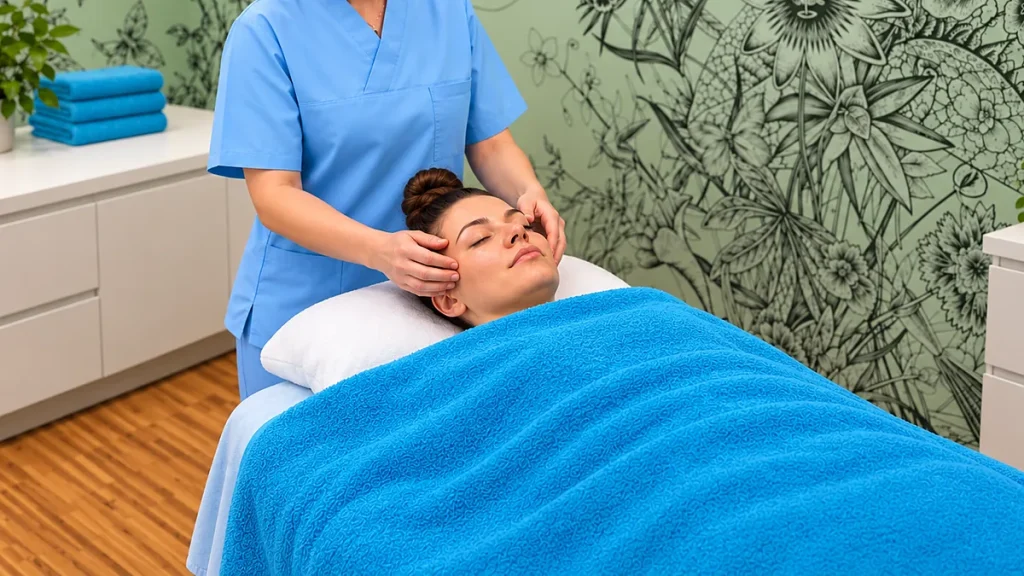
- 1 hr 20 min
Full-Body Wellness Massage
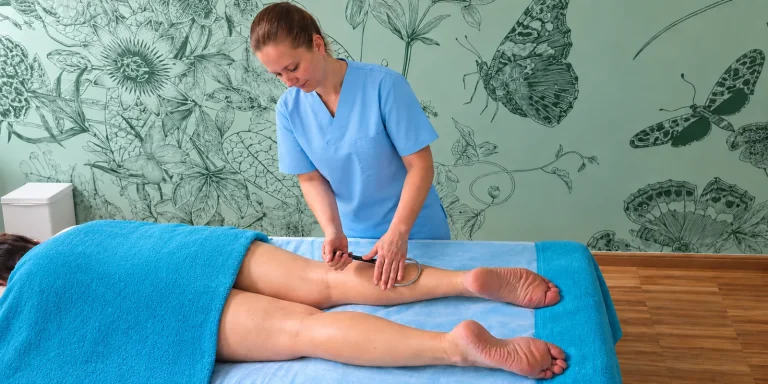
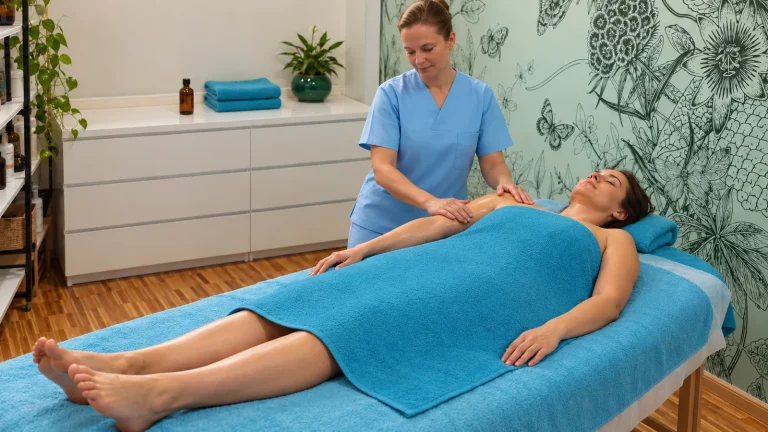
Our comprehensive wellness massage for women covers the back, shoulders, neck, legs and arms. Calm, flowing movements combined with individually adjusted pressure can help you relax deeply.
Relaxation massage in a nutshell
A relaxation massage is a gentle form of massage developed specifically for physical and mental regeneration. Unlike medical or sports massages, the focus here is not on treating complaints but on the well-being of the recipient. It is sometimes called an anti-stress massage, and it is aimed at people seeking calm, recovery and fresh energy.
How It Differs From Other Types of Massage
Knowing the difference helps you choose the right treatment for your needs:
- Medical massages aim at targeted pain treatment or mobilisation.
- Sports massages are mostly used to prepare or regenerate the muscles.
- Therapeutic massages follow a specific treatment plan.
- The relaxation massage, by contrast, is a treat for body and mind – its aim is calm, recovery and well-being.
A Brief History of the Relaxation Massage
The roots of the relaxation massage reach back to antiquity – in Egypt, India and China, people were already aware of the positive effect of touch. As a distinct form of bodywork, however, it only established itself over the course of the 20th century, in response to a growing need for calm, mental relief and stress reduction in everyday urban life.
What Happens During a Relaxation Massage?
The process is deliberately calm and ritualised, so that you can let go from the very first moment.
Preparation and the Initial Conversation
Every session begins with the right setting and a short conversation. Warm colours, dimmed light, soft music, a pleasant room temperature (approx. 23 °C) and gentle scents create a sense of security and calm. Just as important is a brief talk beforehand: this is the moment to share your wishes for the massage – and any health considerations. It is also when anything that might make a massage unsuitable on the day (see When to Take Care below) can be discussed openly, so the treatment is tailored safely to you.
During the Massage
Once you are comfortable, the massage itself follows slow, flowing movements over roughly 45–90 minutes. On request it can be a full-body massage or a partial-body massage, with individual emphasis on areas such as the back, face or feet. Cushions or bolsters relieve the knees, back and neck, and a side-lying position is possible where needed – comfortable positioning supports the effect and helps prevent new tension from building.
Techniques and Methods of the Relaxation Massage
The basis of the massage techniques is a set of proven hand grips that flow gently into one another:
- Effleurage (stroking): Calms, warms and prepares the tissue.
- Petrissage (kneading): Loosens the muscles and releases tension.
- Friction (rubbing): Stimulates circulation.
- Tapotement (tapping): Invigorating, often used towards the end.
- Vibration: Harmonises and calms.
Using massage oil or aroma oil improves glide and can add to the experience depending on the scent – lavender for calm, for example, or citrus for a refreshing note.
Comparing the Massage Grips
| Technique | Effect | Typical Area of Use |
|---|---|---|
| Effleurage (stroking) | Calming, relaxing, warming – ideal at the start or end | The whole back, arms, legs – first contact with the tissue |
| Petrissage (kneading) | Releases muscular tension, stimulates circulation | Muscle areas such as the shoulders, neck, thighs |
| Friction (rubbing) | Deeper, warming movements | Targeted points at tension knots |
| Tapotement (tapping) | Activating, invigorating – briefly stimulating | Back, thighs – often at the end of a session |
| Vibration | Calming and harmonising | Shoulder areas, back, hands – fine oscillating movements |
The Faircare Approach: Hands and Oils
At Faircare, the relaxation massage is performed purely with experienced hands and carefully chosen massage and aroma oils – without stones, devices or other accessories. Depending on the oil and its scent, an aroma massage can add a calming note, such as lavender, or a refreshing one, such as citrus. You can see our full range in our overview of wellness massages.
The Benefits: How a Relaxation Massage Affects Body and Mind
The aim of the relaxation massage is to bring body and mind into harmony, and its effects are felt on both levels. Many women report impressions such as:
- Stress relief and a noticeable sense of lightness, helping them let go of everyday life.
- The muscles relaxing and tension easing gently.
- Circulation that feels stimulated.
- Inner restlessness giving way to calm and serenity.
- A pleasant feeling of contentment and renewed energy.
It is this whole-body, whole-mind experience – for body, mind and soul – that makes the relaxation massage so valuable.
Relaxation Massage vs Wellness Massage
A relaxation massage and a wellness massage are not the same thing, but they complement each other beautifully. Both stand for well-being – they simply set different priorities:
| Criterion | Relaxation Massage | Wellness Massage |
|---|---|---|
| Aim | Stress relief, relaxation, inner calm – a focus on regenerating body and mind | A feel-good experience and enjoyment – more sensory stimuli and a pampering programme |
| Technique | Gentle stroking, kneading, aroma oils – a clear structure and calming rhythm | A combination of massage techniques, often with peelings, masks or wraps |
| Intensity | Light to moderate – targeted calming without over-stimulation | Individual – from gentle to intensive, often sensorially rich |
| Accompanying Elements | Calming music, scented oils, a quiet environment | Aromatherapy, cosmetic treatments, an atmospheric setting |
| Perceived Effect | Encourages harmony between body and mind | Emphasises the feel-good experience and the senses |
Who Is a Relaxation Massage For – and When to Take Care
The relaxation massage is ideal for women who:
- Are under heavy demands at work and are looking for balance.
- Wish for more calm and well-being in everyday life.
- Want to recover gently after physical activity.
- Feel inner restlessness and consciously want to switch off.
When to Take Care
As mentioned, anything that might make a massage unsuitable is discussed in your initial conversation. Contraindications where caution is advised – and medical clearance recommended – include acute inflammation or fever, skin conditions in the area to be massaged, vascular conditions, or pregnancy. A short preliminary talk before your first massage ensures both safety and trust.

- 45 min
Wellness Back Massage
The wellness back massage focuses on the back, shoulders and neck. Warm, calm strokes can ease the tension that builds up from desk work and everyday stress.
Conclusion
A relaxation massage is more than a simple massage – it is a mindful contribution to your well-being, your serenity and your quality of life. Treated as a regular ritual, it helps you meet daily challenges with more ease.
Ready to treat yourself to a gentle break from everyday Berlin life? At Faircare Berlin, a professional relaxation massage awaits you in a calm, protected atmosphere – in our women-only studio in Prenzlauer Berg, where experienced hands combine mindful touch with maximum recovery.